



Months of drought aren’t just drying up fields in Montana—they’re draining wells and challenging the future of drinking water in small towns like Fairfield.
It’s no secret that ongoing drought is putting pressure on water wells across the state. But the question remains, can we still rely on them?
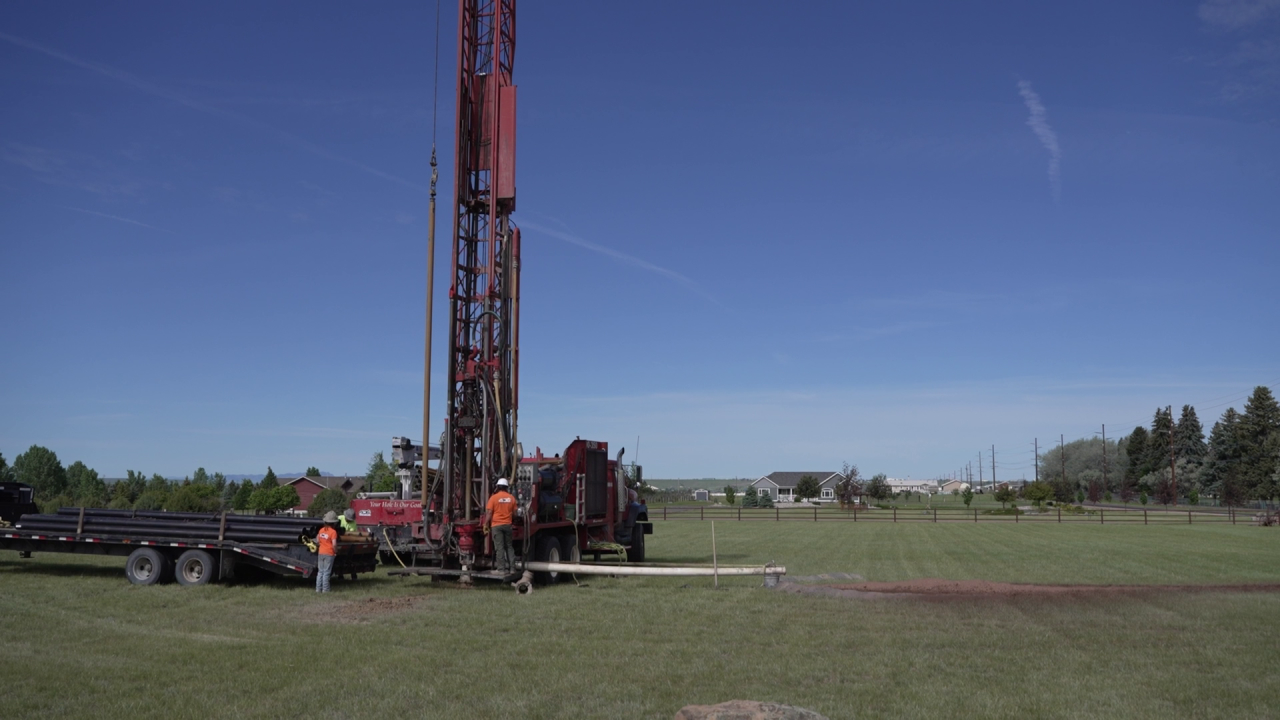
For many residents, the answer no longer feels clear. Patrick Bronson of 406 Water Wells has watched the crisis unfold first-hand this spring. “With the drought, it’s greatly influenced and their wells and they’re drying up,” Bronson said, as he drilled some 400 feet into the Madison aquifer—an option that isn’t available everywhere in the region. In parts of Fairfield and elsewhere, new wells are coming up dry and the search for water grows more urgent by the day.
“So right now they're requiring us to do a 602-I form with the DNRC, which is an attempt to drill. So, they'll go in to determine what aquifers are available, what water rights are available,” Bronson explained, underscoring the bureaucracy and uncertainty around every well.
TO USE THE FORM, THE FOLLOWING MUST APPLY:
- The proposed source must be groundwater.
- The total proposed volume diverted must not exceed 10 acre-feet (AF) per calendar year per project.
- The eventually completed flow rate must not exceed 35 gallons per minute (GPM).
- The filer of this form must have possessory interest (ownership) in the place of use at the time of filing.
- The proposed groundwater development must not be located within the boundaries of a Controlled Groundwater Area, unless otherwise instructed by DNRC.
In Montana, water rights and receding aquifers are now hotly contested. Even areas built on the hope of reliable groundwater, like Fairfield—where seasonal recharge from irrigation canals is critical—are reaching their limits after years of drought. “That's a problem right now,” Bronson continued. “So, like the Fairfield problem, I mean there's only what's there is there. So, I mean they're looking for more water right now, but it's all relatively shallow, I mean 30, 40ft stuff.”
The temporary fix each spring is the Greenfields Irrigation District canal: when it runs, it revives wells. When it stops, groundwater disappears—and families, schools, and businesses are left rationing water or finding workarounds. Fairfield’s Mayor Loren Tacke says that, absent deeper change, each cycle brings the same challenge: “But in the fall, in the spring, we're going to run into the same exact problem.”
That’s why Fairfield is now partnering with engineers to launch a comprehensive water study, exploring deeper drilling, sourcing water from other communities, and expanding storage.
“Whether that water source comes from trying to drill another well deeper—we’ve drilled four test wells that have all come up dry—or whether it’s sourcing water from another community, we’re not sure what option there is, but we’re going to look at all options available,” Tacke said.
For Fairfield—and for drought-prone towns across Montana—the search for lasting solutions is becoming urgent. Experts say only smarter water management and more storage can guarantee safe water flows for the next generation.
