



GREAT FALLS — On May 5, the U.S. Food and Drug Administration authorized the marketing of four Glas electronic nicotine delivery system (ENDS) products. The authorized products include two menthol flavors, along with Gold (Mango-flavored) and Sapphire (blueberry-flavored) pods. Marking the first authorization of non-tobacco and non-menthol ENDS products from the FDA.
For prevention leaders in Cascade County, the concern is not just the decision itself, but how people understand it.
(WATCH: Montana youth vaping numbers see a reduction, but prevention groups say work is not over)
“When things are authorized or legalized, it makes them seem safer,” said Beth Price, substance misuse prevention program manager at Alliance for Youth.
Price said that matters because flavored products are still a major part of the youth vaping conversation. While the FDA authorization is limited, she said national decisions can still shape how families and young people talk about vaping.
“If you were to start smoking today, try a cigarette, it would not be a pleasant experience,” Price explained. “It would burn. It would make you cough and hack. But the flavors in the vapes make that poison go down pretty easily.”
She said flavors such as candy, fruit and dessert-style options can make vaping seem more appealing to young people, even when products are marketed for adults.

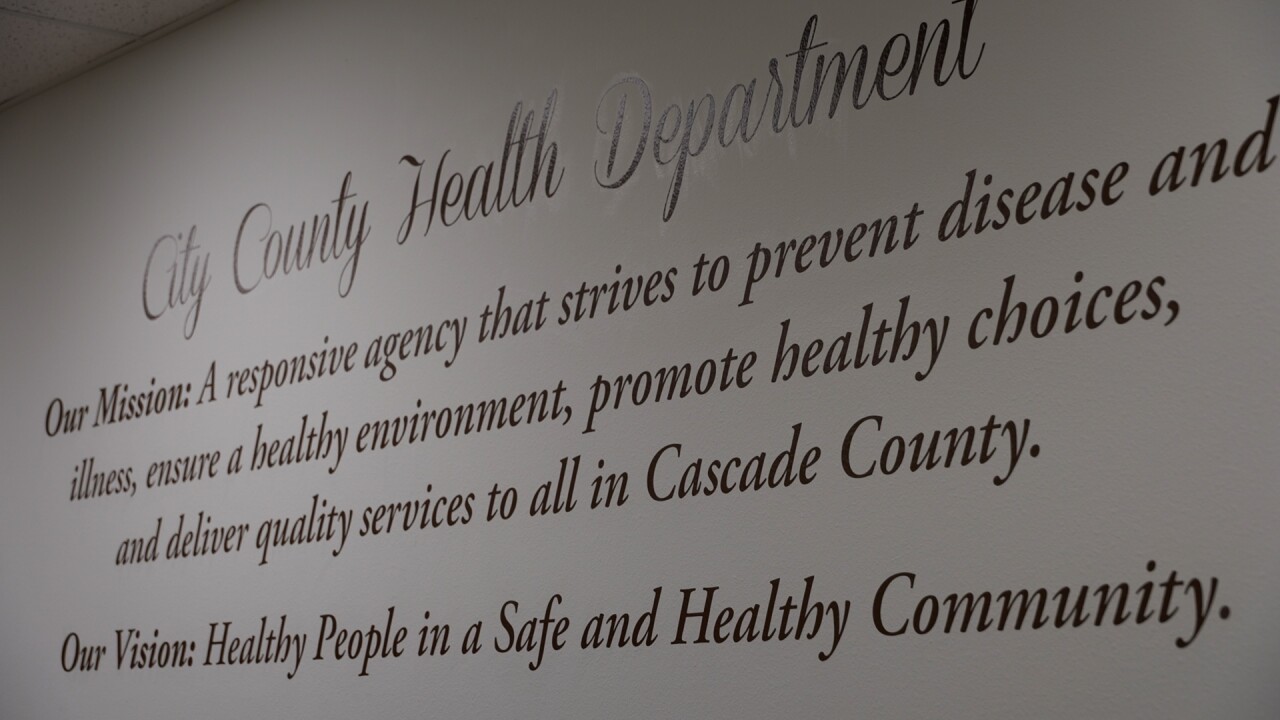
At the Cascade City-County Health Department, Tobacco Education Specialist Penny Paul said there are signs prevention work is making a difference.
According to Paul, the 2025 Montana Youth Risk Behavior Survey shows current e-cigarette use among Montana high school students dropped from 24% in the previous survey to 17% now.
“So that is just absolutely awesome,” Paul said. “With this reduction, we know that education is paying off.”
But Price explained that the decline does not mean the concern has gone away.
“Even though we’re in a decline, we are more than still twice the national average in Montana,” Price said. “So it’s a big concern here.”
Paul said her tobacco education work includes presentations with students, parents and other community groups. She also works with elementary-age classrooms, where she said students often ask questions about vaping or smoking at home, in cars or around family members.

“They’re very concerned about family members who might be smoking in the home, smoking in the vehicles, or just vaping, smoking, using tobacco,” Paul said. “They worry about them because they worry about their health.”
She said that is one reason she encourages parents and caregivers to keep the conversation open, instead of waiting until there is a problem.
“Be very open with kids,” Paul said. “It should be a dinner discussion, like, ‘Hey, what are you seeing? Are your friends vaping? Do you feel pressure?’”
They said prevention work is about giving young people and families information before nicotine use becomes a bigger issue.
Price described substance misuse prevention as work that happens “upstream,” before addiction starts. She said the goal is to give young people facts so they can make informed decisions.
“What I try to do is give youth facts and information so they can make better informed decisions for themselves,” Price said.
Paul said families looking for help can reach out to the Cascade City-County Health Department for information. She also pointed to My Life, My Quit, a resource for youth under 18 who want help quitting tobacco or vaping.
A full list of authorized ENDS by the FDA can be found
