

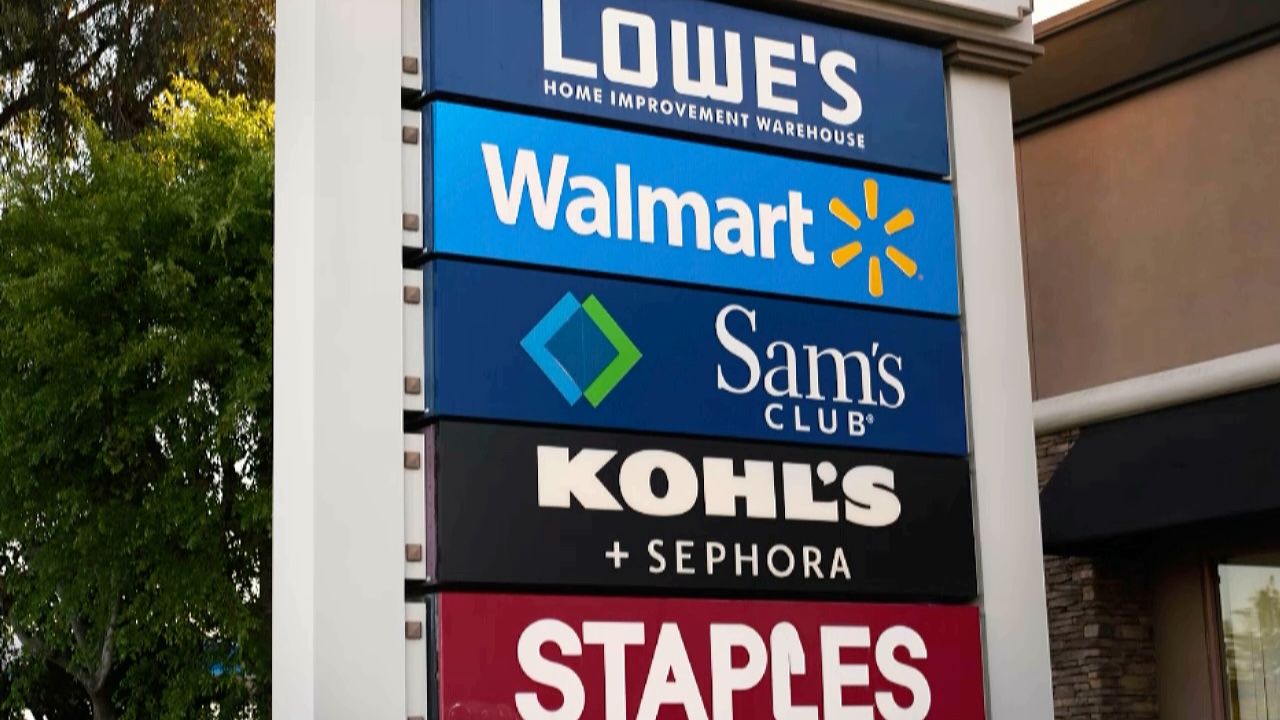


As Americans head to the polls on Election Day, affordability remains one of the top issues on voters' minds.
Consumer spending has remained relatively strong despite higher prices, but shoppers and retailers alike are still grappling with uncertainty surrounding inflation, tariffs and changing shopping habits.
Brett Rose, retail expert and CEO of United National Consumer Suppliers, said the uncertainty is making it harder for retailers to predict what consumers will buy months from now.
"Anytime somebody in DC utters the word tariff right now, there's so much consumer concern and consumer uncertainty, which then translates to retail inventory concerns," Rose said.
When retailers cannot accurately forecast demand, it affects both inventory decisions and pricing strategies.
Shift toward regional suppliers
Rose explained that many retailers are increasingly turning to nontraditional suppliers and looking for merchandise that is already available closer to home.
"A lot less stuff coming out of the Far East because they need to find goods that are on the ground," Rose said.
The strategy allows retailers to reduce risk and avoid being stuck with products that consumers may not ultimately purchase. It also helps businesses react more quickly in a rapidly changing market.
Waiting for tariff refunds
Another question facing retailers involves billions of dollars in tariff refunds being returned to importers by the federal government. But Rose said consumers should not expect those refunds to directly translate into lower prices at the checkout counter.
RELATED STORY | Strong growth and inflation paints mixed picture of economy days before midterms
"A lot of retailers are pushing back on suppliers and saying, 'Great. Glad you're getting the money back. When's our check coming?'" Rose said.
Still, he said shoppers may be able to benefit indirectly by paying attention to off-price retailers.
When companies overestimate demand and end up with excess inventory, they often sell those products to discount chains such as TJ Maxx, Dollar Tree, and Five Below.
"There's a surplus of goods in the market. Off-price retailers take advantage of it," Rose said. "That's where the consumer benefits the most."
Buying cycle gets shorter
As economic concerns remain front and center on Election Day, Rose said retailers are already adapting to volatility regardless of what happens at the polls.
One major shift is a shorter buying cycle. Instead of purchasing products 10 to 12 months in advance, retailers are increasingly buying inventory closer to when it will be sold.
RELATED STORY | Midterm elections pit Iowans’ economic struggles against conservative values
"You buy Christmas in January. You can't predict in a volatile consumer market what they're going to sell in December and January at the start of the year," Rose said. "A lot of traditional retailers, their buying process has become more like an off-price retailer."
The changes, he said, reflect a retail industry that is increasingly focused on flexibility as it navigates an uncertain economic landscape.
