

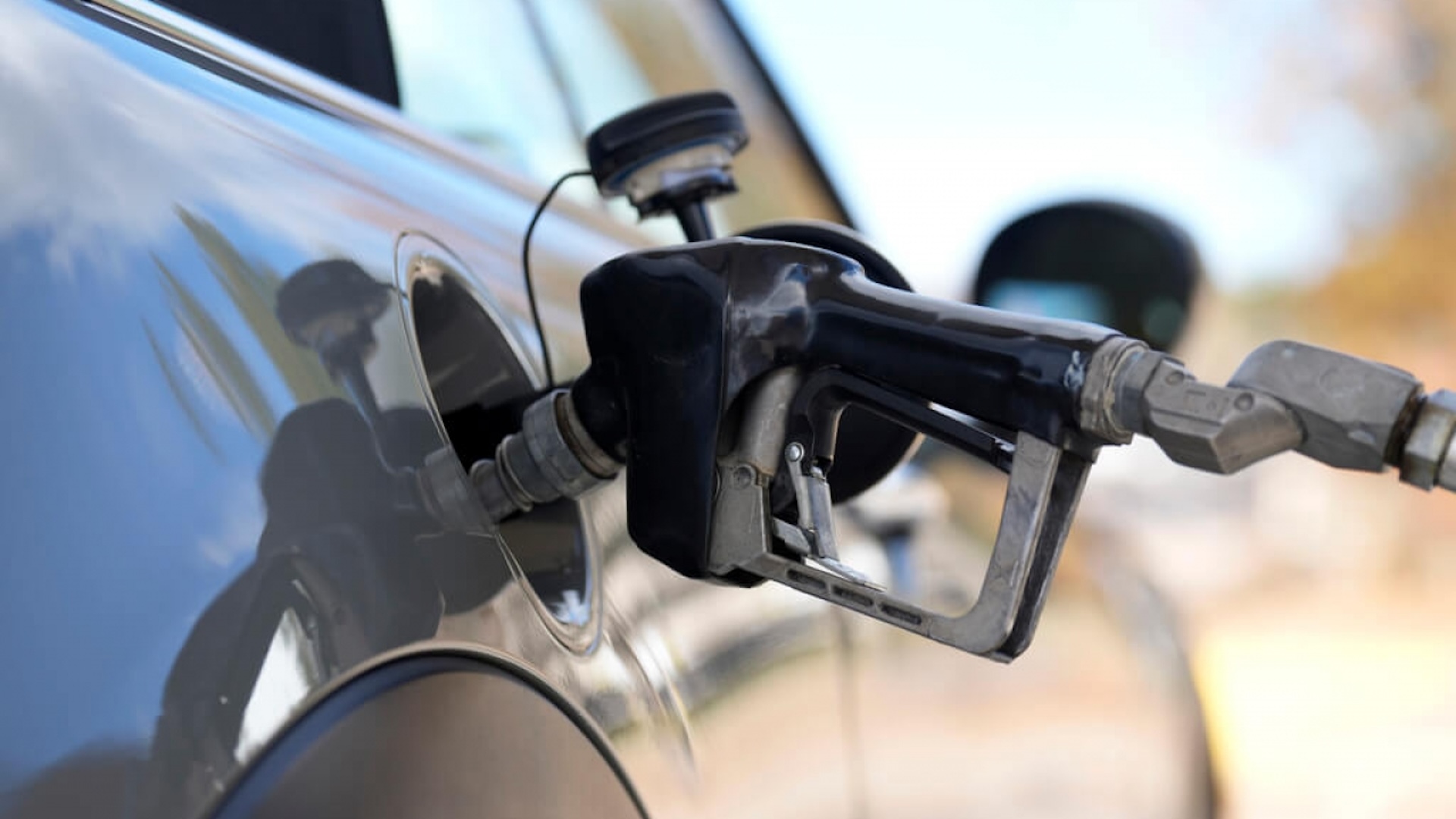


Drivers are finally getting some relief at the pump, but the analysts who track fuel prices say it may not last past winter.
The national average for a gallon of regular gas fell to $3.94 on Wednesday, according to AAA, down 12 cents in a week. It's the first time gas has averaged under $4 since July.
Even so, Patrick De Haan, head of petroleum analysis at GasBuddy, says this Thanksgiving will still set a record, despite the prediction that gas will continue to fall. De Haan expects the national average to fall to between $3.65 and $3.75 by Thanksgiving, another drop of 20 to 25 cents. Anything in that range would still top the previous Thanksgiving high, set in 2022.
"Rather astonishingly, it's still going to be the most expensive Thanksgiving for gasoline and for diesel that we've ever seen," De Haan told Scripps News.
Prices are falling because more oil is flowing again. The Organization of the Petroleum Exporting Countries, or OPEC, the group of major oil-producing nations that coordinates how much oil its members pump, released its Monthly Oil Market Report on Wednesday. It shows OPEC and its allies, including Russia, pumped about 2 million more barrels a day in October than in September, as supply disrupted by the war with Iran came back online. Saudi Arabia alone added nearly 1.2 million barrels a day.
"Seasonal factors are largely behind it, but there's also been more oil flowing through the Strait of Hormuz, roughly 80% to 85% of normal," De Haan said. "Saudi Arabia is cranking up oil exports to their highest level since the war started."
RELATED STORY | A White House deal that would have imported Russian oil to the US is falling apart
Tom Kloza, chief energy advisor for Gulf Oil, says part of the Saudi increase happens every fall.
"They always turn out more crude when the summer's over, because they use about 600,000 barrels a day of crude oil to generate electricity for the air conditioning," Kloza said.
The switch to winter-blend gasoline is also helping. De Haan says winter fuel is cheaper to make because it can contain more butane, which helps engines start in the cold but adds to smog in summer heat.
"Winter gasoline has a lot more cheap butane. Summer gasoline has very little cheap butane and more expensive components," he said. OPEC's report shows the same shift in the data: refiners' gasoline margins on the U.S. Gulf Coast fell in October as the summer driving season ended and winter-grade fuel took over.
Oil prices have followed. Brent crude, the global benchmark, settled at $91.49 a barrel on Tuesday, its lowest close since August, before bouncing back Wednesday after new attacks on ships near the Strait of Hormuz.
Meanwhile, Kloza says wholesale gasoline prices have dropped 50 to 80 cents a gallon in some markets since before the election, but pump prices haven't kept pace.
"Wholesale prices take the stairs up, but they take the elevator down," Kloza said.
By his count, gas stations are now earning an average of about 74 cents a gallon over what they pay for fuel, and as much as $1 or more in Washington, Oregon and California. The normal markup, he says, is about 40 cents.
"So if everything were frozen in time right now, you could expect to see gas prices drop by more than 30 cents," Kloza said. "They do go up like a rocket, and they come down like a feather. Maybe we'll see wet feathers, though."
In some places, gas is already under $3 a gallon. De Haan says GasBuddy is tracking 11 states with at least one station below $3, and the cheapest gas in the country on Wednesday was $2.75 a gallon.
No state average is close to $3 yet, and many of the cheapest stations are in states that have temporarily suspended their gas taxes, which can take 30 to 40 cents off a gallon – like North Carolina, Indiana and Ohio.
When those breaks expire, prices in those states could jump by about the amount of the tax almost overnight.
If the war with Iran stays in check, De Haan says prices could keep falling into early December.
"But the risk is that any sudden shift in geopolitical tensions could inflame, slow down the decline, or could lead to higher prices," he said.
RELATED STORY | US inflation rises more than expected, raising likelihood of Fed rate hike
Kloza says many refiners postponed routine maintenance into 2027, setting up what he calls "the mother of all refinery maintenance seasons." Oil prices also tend to rally from an early winter low to a spring peak.
"Wherever we go in the next 60 days, that's gonna be the launch pad for a real... brisk spike, probably in March and April," Kloza said.
For now, De Haan's advice is not to rush to fill up. With some stations cutting prices 5 to 10 cents a day, and a few by as much as 60 cents, he suggests buying half a tank at a time and shopping around.
"There's no reason to carry around more of today's expensive fuel when prices have actively been declining now for several weeks," De Haan said. "Americans have this false sense of security that they're getting a good deal when they may still be leaving a better deal on the table."
